
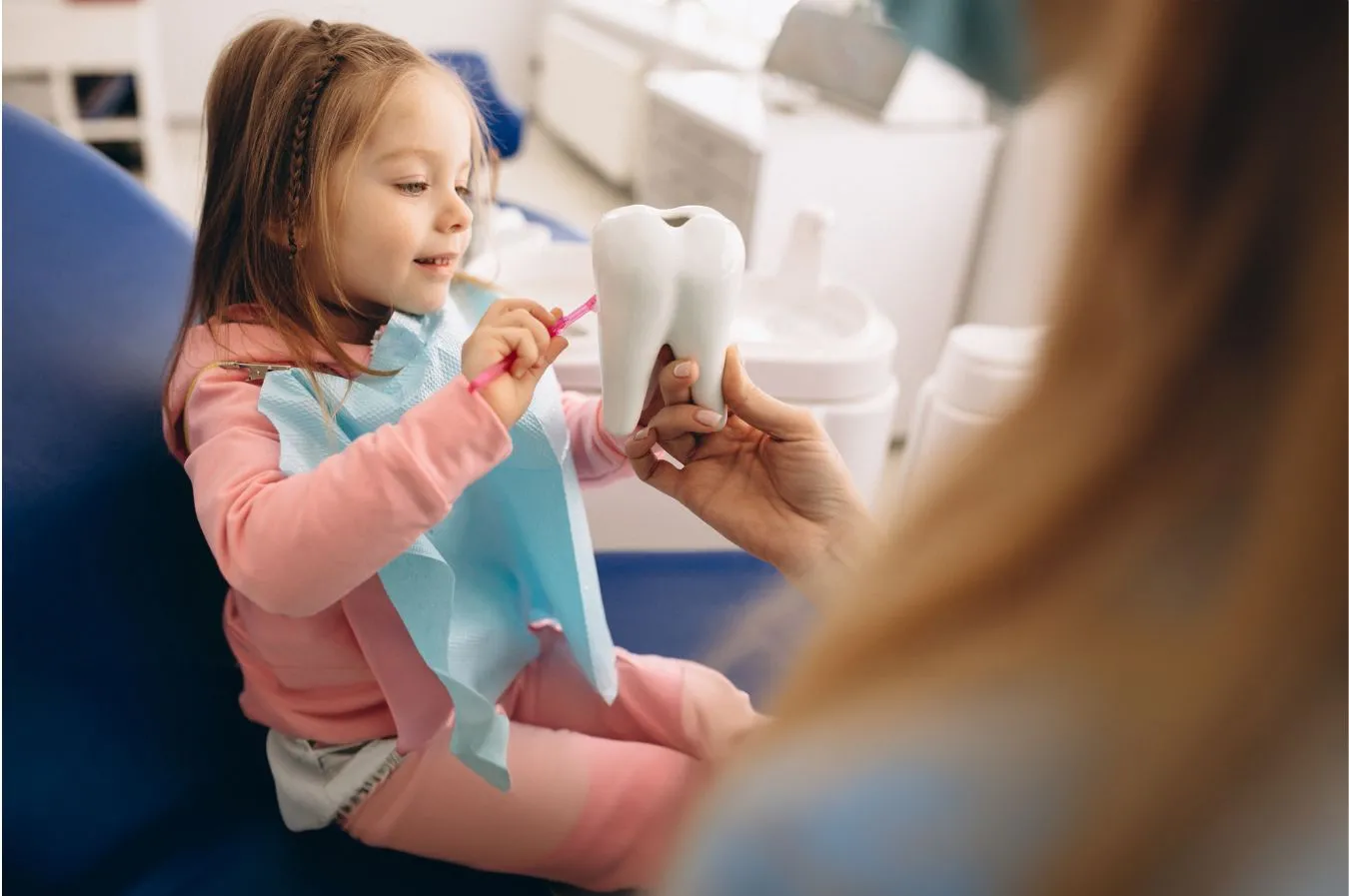
When it comes to your child’s health, timing can make all the difference—and orthodontic care is no exception. In New Hampshire, more parents are discovering the benefits of early orthodontic evaluations, not just for straight teeth, but for setting the foundation for lifelong oral health.
Orthodontic issues often begin developing much earlier than many people realize. Catching these problems early allows for simpler, more effective solutions—and in many cases, prevents the need for more invasive treatments later in life.
This guide breaks down what early orthodontic care is, why it matters, when to get started, and how families in New Hampshire can take the right steps toward protecting their child’s smile.
What Is Early Orthodontic Care?
Early orthodontic care, often called Phase 1 treatment, involves evaluating and potentially guiding the growth of a child’s teeth and jaws before all permanent teeth have erupted. This typically occurs between the ages of 7 and 11.
At this stage, a child may still have a mix of baby and adult teeth, but that’s actually the ideal time for orthodontists to assess how their dental structure is developing. Even if full braces aren’t necessary yet, a professional evaluation can catch subtle issues early and determine if intervention will help prevent more complex problems later on.
Common early treatments may include:
- Palatal expanders to create room in a crowded mouth
- Limited braces to correct front tooth alignment
- Space maintainers to guide incoming permanent teeth
- Habit appliances to discourage thumb-sucking or tongue thrusting
Why Early Orthodontic Evaluations Are So Important
The American Association of Orthodontists recommends that every child have an orthodontic evaluation by age 7. Why so early? Because some orthodontic concerns are easier to correct while the face and jaw are still growing.
Here’s what early care can help accomplish:
- Preventative Planning — Intervening early can stop a small issue from turning into a big one. For example, mild crowding can sometimes be corrected before it worsens.
- Guided Jaw Development — Treatments like expanders can guide the growth of the upper or lower jaw, improving facial symmetry and function.
- Correcting Harmful Habits — Prolonged thumb-sucking or mouth breathing can affect jaw development—early orthodontic care addresses the root causes.
- Improved Speech and Chewing — Misaligned teeth and jaws can interfere with basic functions. Early treatment can improve both clarity and comfort.
- Boosted Confidence — Even young kids can become self-conscious about prominent gaps or crooked front teeth. Limited early treatment may help boost their self-esteem.
Signs Your Child May Need Early Orthodontic Care
Every child is different, but there are certain signs parents in New Hampshire can watch for that may indicate a need for early orthodontic attention:
- Early or late loss of baby teeth
- Crowded, crooked, or blocked-out teeth
- Difficulty chewing or biting into food
- Speech issues or lisping
- Breathing through the mouth
- Jaw shifting, popping, or clicking sounds
- Prolonged thumb-sucking or pacifier use
- Teeth that don’t meet properly or protrude significantly
You don’t need to wait for all their permanent teeth to come in—if you notice any of these issues, it’s a good time to schedule a consultation.
What Happens During an Early Orthodontic Visit?
The first visit is generally a relaxed, no-pressure assessment. Here’s what families in New Hampshire can expect:
- Initial Exam — The orthodontist will visually examine the teeth, jaws, and bite.
- Diagnostic Imaging — X-rays or digital scans help evaluate how teeth and jawbones are developing.
- Discussion of Findings — The provider will explain what (if anything) is developing abnormally and whether treatment is recommended now or in the future.
- Next Steps — If no treatment is needed yet, your child may simply enter an observation program. If early intervention is suggested, the plan will be outlined clearly.
The goal is to keep things comfortable and educational—no surprises, just smart planning.
Benefits of Early Orthodontic Care for NH Families
Parents across New Hampshire are seeing the value in starting early. Beyond preventing long-term issues, early treatment offers practical advantages:
- Shorter, Less Invasive Future Treatment — Correcting growth issues now can eliminate or reduce the need for tooth extractions or jaw surgery later.
- Better Insurance Utilization — Some dental insurance plans may offer coverage for early orthodontic care, spreading out costs over time.
- Peace of Mind — Knowing that a professional is monitoring your child’s dental development gives families a sense of control and confidence.
With more access to modern orthodontic technology and experienced providers across the state, early treatment has never been more approachable or effective.
The Role of Growth in Orthodontic Success
Timing matters in orthodontics because children’s bones are still developing. In many cases, this means their jaws can be gently guided into better alignment without the need for drastic measures.
By contrast, waiting until all adult teeth have come in may limit what can be done without extractions or surgery. That’s why orthodontists in New Hampshire emphasize the value of monitoring growth early—and acting when needed.
Think of early orthodontic care as preventive medicine: the earlier an issue is caught, the easier it is to treat.
Looking for Early Orthodontic Guidance in New Hampshire?
If you're a parent in New Hampshire thinking about orthodontic care for your child, you don’t have to wait. At Seacoast Braces Miller Orthodontics, we offer early evaluations and gentle treatment options from our convenient locations in Exeter and Dover.
We’re here to help your child grow into their best smile—with care that’s thoughtful, modern, and just right for their age.
Schedule your child’s free orthodontic consultation today, and let’s plan a healthy, confident future together.